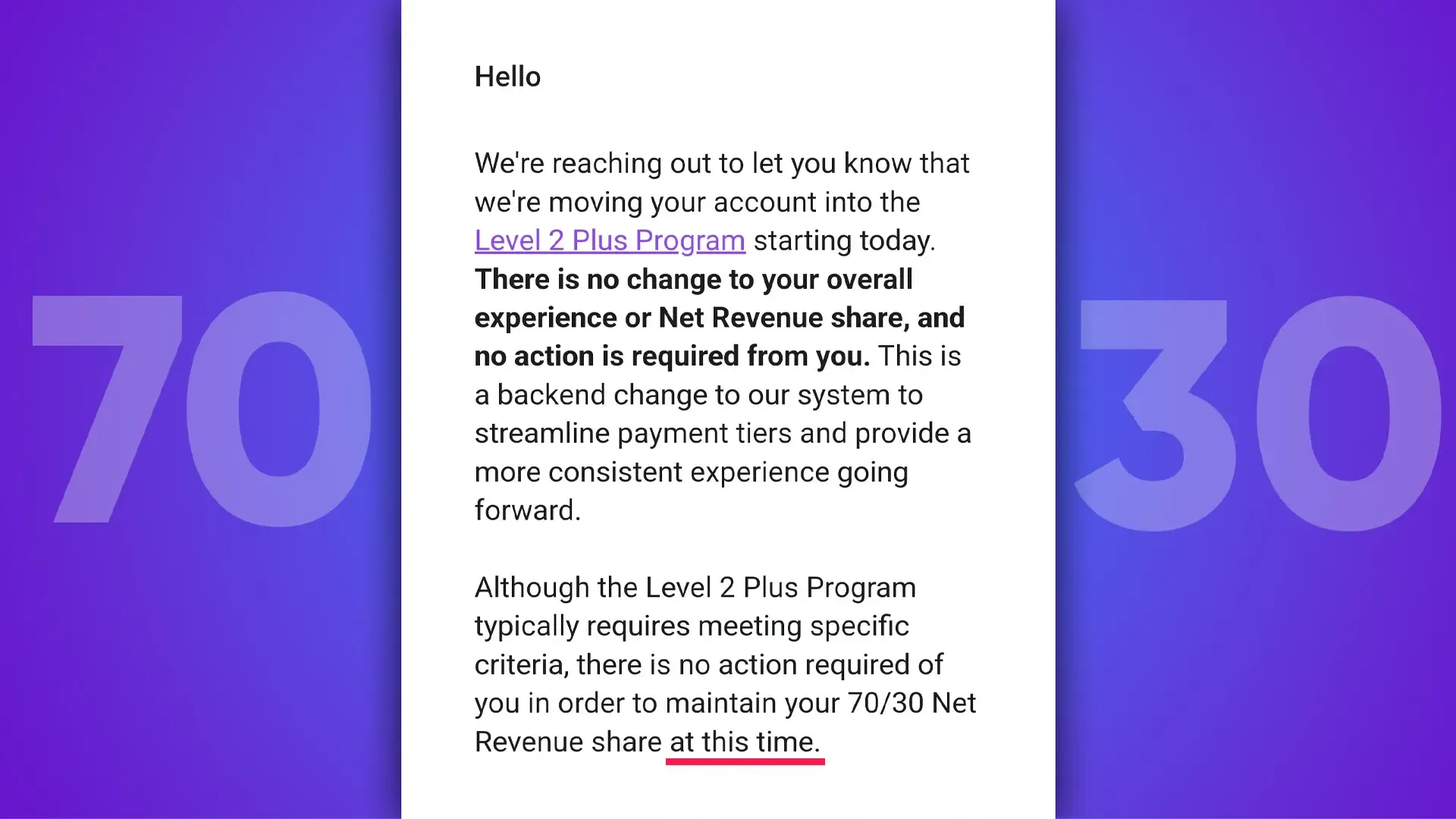
Streaming's Worst-Kept Secret Just Got Exposed
Two major investigations published this week expose how creators are profiting from promoting gambling to their audiences, from rigged-looking win rates on crypto casinos to unlicensed betting sites pushed to millions of European viewers.

Two Investigations Expose Streaming's Dirtiest Revenue Stream
Two investigations landed within days of each other this week, and together they paint a picture of an industry-wide problem that's been building for years.
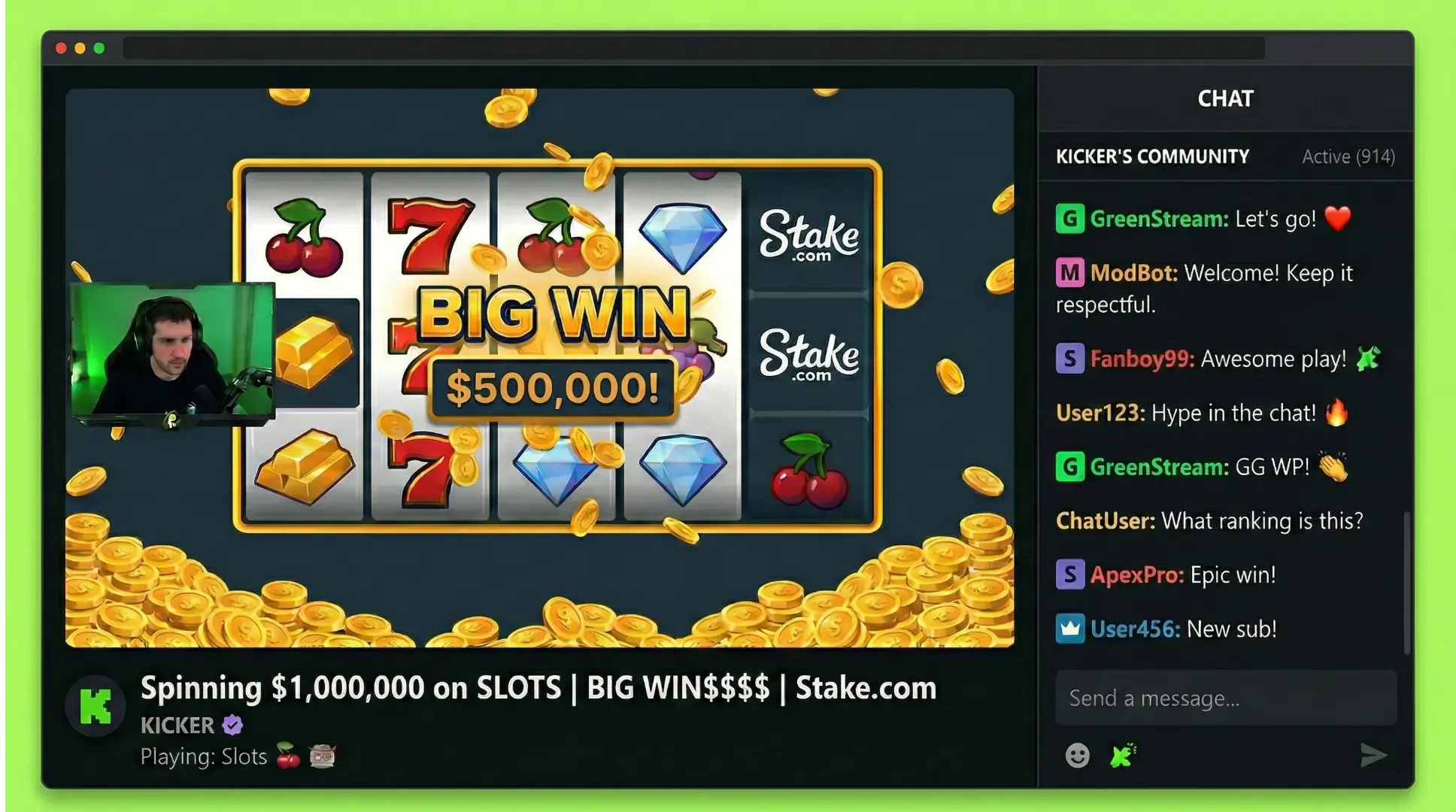
Bloomberg published a deep investigation into Stake (opens in a new tab), the crypto casino behind the Kick streaming platform, analysing over 500 hours of live slots gameplay. Separately, Investigate Europe reported on how streamers across at least seven European countries are directing their followers to dozens of unlicensed gambling sites (opens in a new tab).
Both Bloomberg and Investigate Europe did serious, months-long investigative work to produce these stories, and I'd strongly encourage you to read both in full. What I want to do here is explain why these findings matter for the broader creator industry, even if you've never touched a gambling stream in your life.
The Bloomberg Investigation: Suspicious Luck
Bloomberg's team built a system to analyse frame-by-frame footage from 1,500 hours of Kick livestreams across 25 Stake gamblers. They were looking at "big wins," moments where a player wins 1,000 times or more their base bet, and how frequently they occurred.
What they found was striking. When certain high-profile influencers played slots owned by Stake's parent company, Easygo, their win rates were significantly higher than average. When those same influencers played third-party games on the same platform, their luck returned to normal.
Bloomberg also reported that former employees and people familiar with Stake's contracts confirmed that some streamers gamble with "house money," balances supplied by Stake that can't be fully withdrawn. The streamers' seemingly infinite bankrolls and spectacular jackpots are, in some cases, closer to advertising than actual gambling.
Stake called Bloomberg's findings "categorically incorrect" and declined to share its own data on player win rates or game payouts.
The Investigate Europe Investigation: Unlicensed Sites, Real Audiences
On the European side, Investigate Europe uncovered a network of creators across Italy, Spain, Greece, Portugal, Poland, Germany, and Sweden who are promoting unlicensed online casinos to their audiences.
The investigation traced many of these sites back to a single company, Soft2bet, which Investigate Europe had previously linked to over 100 casinos blacklisted by European regulators. A former affiliate whistleblower explained the model: casinos provide streamers with non-withdrawable playing funds so they can gamble on-stream with zero personal risk, while earning a cut of their referred viewers' losses.
One streamer quoted in the investigation put it bluntly: the streamers "are just good actors."
When Investigate Europe contacted YouTube about their findings, the platform deleted one channel and removed several videos. Hours after contacting Twitch, a Spanish streamer's account was temporarily suspended. But both platforms are playing whack-a-mole. One Italian creator whose channel was deleted was already streaming on a new one by the time the investigation was published.
Why This Matters Beyond Gambling Streams
If you're reading this and thinking "I don't do gambling content, so this doesn't affect me," I'd push back on that.
These investigations expose something that damages the entire creator economy: the erosion of audience trust. Every time a viewer discovers that a creator they follow was gambling with house money while pretending it was real, or promoting an unlicensed casino for a hidden commission, it doesn't just hurt that creator's reputation. It makes every audience a little more sceptical of every creator.
The parasocial relationships that make streaming powerful, the ones that allow creators to build genuine communities, are the same ones being weaponised here. As one researcher quoted in the Investigate Europe piece noted, vulnerable viewers "see themselves in streamers who create a community of trust and shared values." That trust is being monetised in a way most viewers don't understand.
The Platform Problem
The platform dynamics here are worth examining. Twitch banned crypto gambling streams in late 2022 after widespread reports of young viewers developing gambling addictions. That was the right call. But within two months, Kick launched, built by the same company that owns Stake, and became the new home for gambling content with virtually no restrictions.
So Twitch addressed the problem by pushing it next door. YouTube has policies against directing viewers to unapproved gambling sites, but enforcement has been reactive, not proactive. And Kick, by design, has no incentive to limit gambling content because gambling is its business model.
The result is a fragmented enforcement landscape where the platforms with the strictest rules lose the creators (and their audiences) to platforms with no rules at all.
If a streamer's bankroll seems infinite and their wins seem improbable, there's a reason for that. Bloomberg's data suggests those wins may be exactly as improbable as they look. (opens in a new tab)
Pete’s Content Corner
Delve into my weekly selection of content creation highlights - handpicked videos, podcasts, and tweets that promise to captivate, educate, and entertain.
- Instagram is expanding access to creator tools (opens in a new tab) for smaller accounts. Features like Insights, Trending Audio, and Scheduled Content are now available to all accounts regardless of follower count. Trial Reels, Channels, and IG Live unlock at lower thresholds too.
- Amazon is making a change to Wishlists that creators should be aware of: when a product is purchased from a third-party seller, the buyer may now be able to see the recipient's delivery address (opens in a new tab).
- Elgato has announced Wave:Next (opens in a new tab), its biggest audio launch ever. Four new devices all feature the Wave FX Processor, handling studio-grade vocal effects in hardware with zero CPU strain. Wave Link 3.0, their audio mixing software, is also now free for everyone.
Thanks, as always, for taking the time to read Stream Report.
Pete ✌️