Stream Report Issue #229
YouTube Just Brought Back DMs After Six Years
 By Pete Wilkins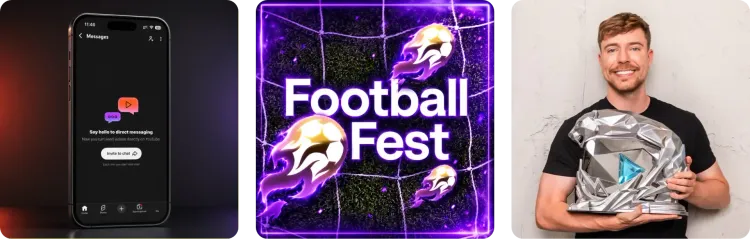
YouTube Wants Your Sharing to Stay on YouTube
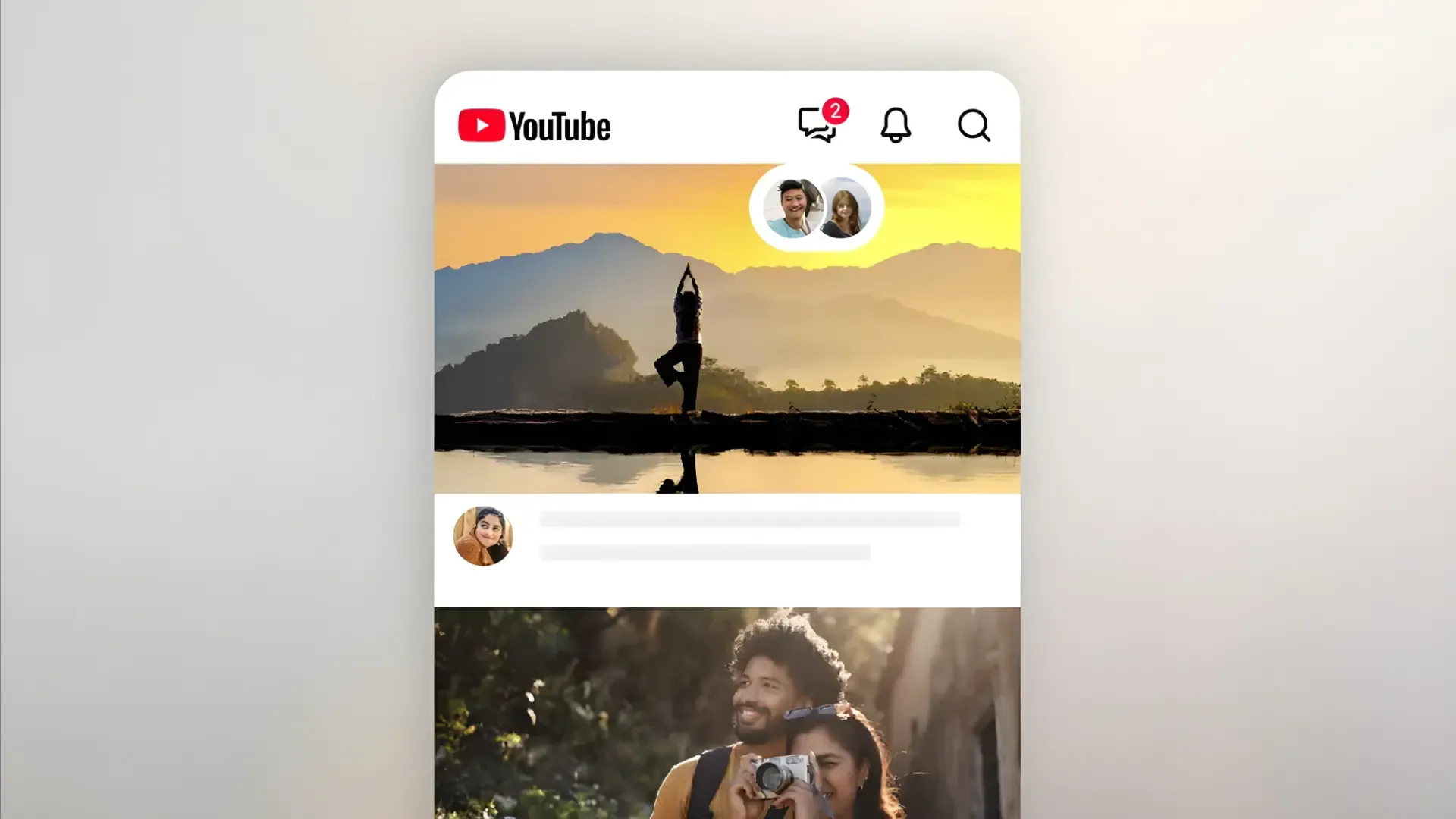
YouTube has reintroduced direct messages (opens in a new tab), letting users share videos, Shorts, and livestreams with each other inside the app and react to them in real time. Here's how it works:
- A new messaging icon sits in the app for starting conversations
- It's invite-based, so recipients accept or decline before a chat opens
- There's an 18-and-over age requirement with verification
- It's rolling out first in the US, UK, Brazil, and Singapore
If you've been around YouTube long enough, you'll know this isn't new. YouTube first launched DMs in 2017 and quietly killed them in 2019, saying it wanted to focus on public interactions like comments and community posts instead. Google now describes messaging as one of its most requested features, which is the polite way of admitting the 2019 call didn't age well.
Why Now
The reason YouTube wants this is retention. Every time a viewer copies your video link and pastes it into a group chat on WhatsApp, iMessage, or Discord, they leave YouTube, and there's a real chance they don't come straight back. Keeping that sharing inside the app means the share and whatever the viewer does next both stay on YouTube, which keeps the session alive and feeds the recommendation engine more to work with.
This is the same logic Twitch and every other platform has been chasing for years: keep the activity inside the walls where you can measure it and monetize it.
Will Creators Use It?
The catch is that YouTube hasn't said how much of this will be open to creators at scale, whether you'll be able to message your audience the way you can on Instagram, or how moderation and safety will work once millions of strangers can request a chat.
The invite-accept gate is a sensible start, but DMs have historically been where harassment and scams concentrate, so how well YouTube polices this will matter just as much as the feature itself.
Not Just YouTube
And YouTube isn't acting alone here, in the same week:
- TikTok started testing voice calls (opens in a new tab) inside DMs
- Bluesky added group chats (opens in a new tab) for up to 50 people
That's three of the biggest platforms moving the same direction inside a single week. After years of optimizing for reach and algorithmic feeds, the major platforms are now racing to own the private, in-app conversation layer too.
That shift makes sense in a feed increasingly flooded with AI-generated content. Public discovery still matters, but the platforms have noticed that durable engagement lives in the smaller spaces where people actually talk to each other. If they don't own those spaces, Discord or a messaging app they can't monetize usually does.
Pete’s Content Corner
My weekly picks from across the content creation world.
- Twitch kicked off Football Fest (opens in a new tab) ahead of the FIFA World Cup, leaning on sidecast and watch-along content with limited-time badges to nudge people into participating.
- On June 12, MrBeast became the first individual creator to cross 500 million YouTube subscribers (opens in a new tab), marking it with a livestream that pulled more than 600,000 concurrent viewers and a custom silver panther Play Button handed over by YouTube CEO Neal Mohan.
- Twitch CPO Mike Minton spent the week calling the downsides of pre-roll ads "overstated," even as Twitch emails creators encouraging them to run more mid-rolls (opens in a new tab) precisely to suppress those same pre-rolls.
Thanks, as always, for taking the time to read Stream Report.
Pete ✌️