
Twitch Is Using AI to Decide Who Gets Ads
 By Pete Wilkins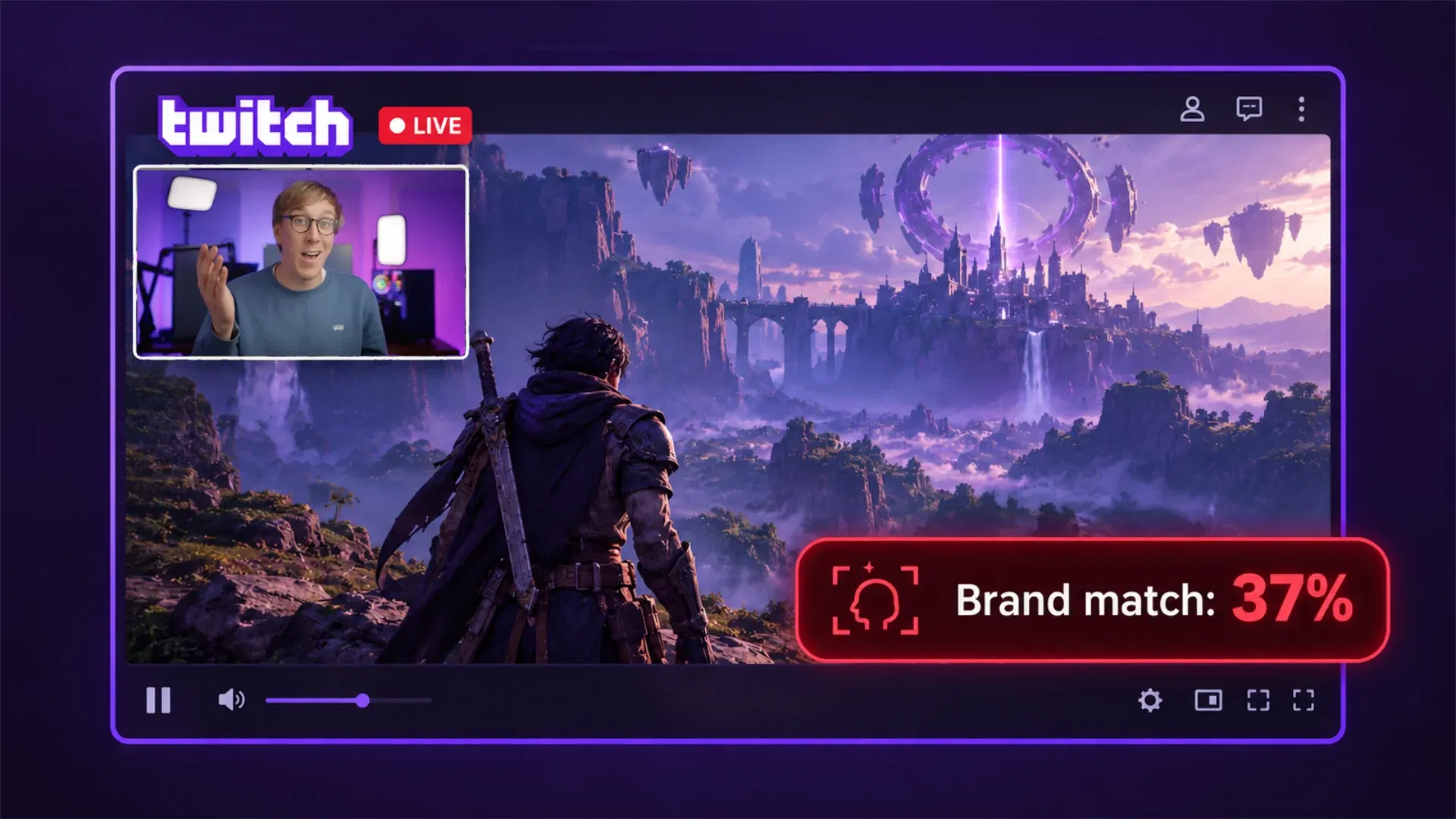
The short version:
- What happened: Twitch confirmed it is transcribing streams and using AI to determine if a channel is a good fit for specific advertisers.
- What it means: If the AI decides your content doesn't match a brand, that brand's ads won't run on your stream.
- The catch: While Twitch says humans still make the final call on long-term ad eligibility, creators currently have no way to see when these AI-driven decisions are happening.
Twitch CEO Dan Clancy recently confirmed that the platform is using AI to judge advertiser suitability by transcribing live streams.
What Clancy said
Clancy was answering a question about brand safety on the Snarketing Podcast (opens in a new tab). He pointed out that creators already apply content classification labels with over 99% consistency, and advertisers use those labels to choose where ads appear. The AI sits on top of that:
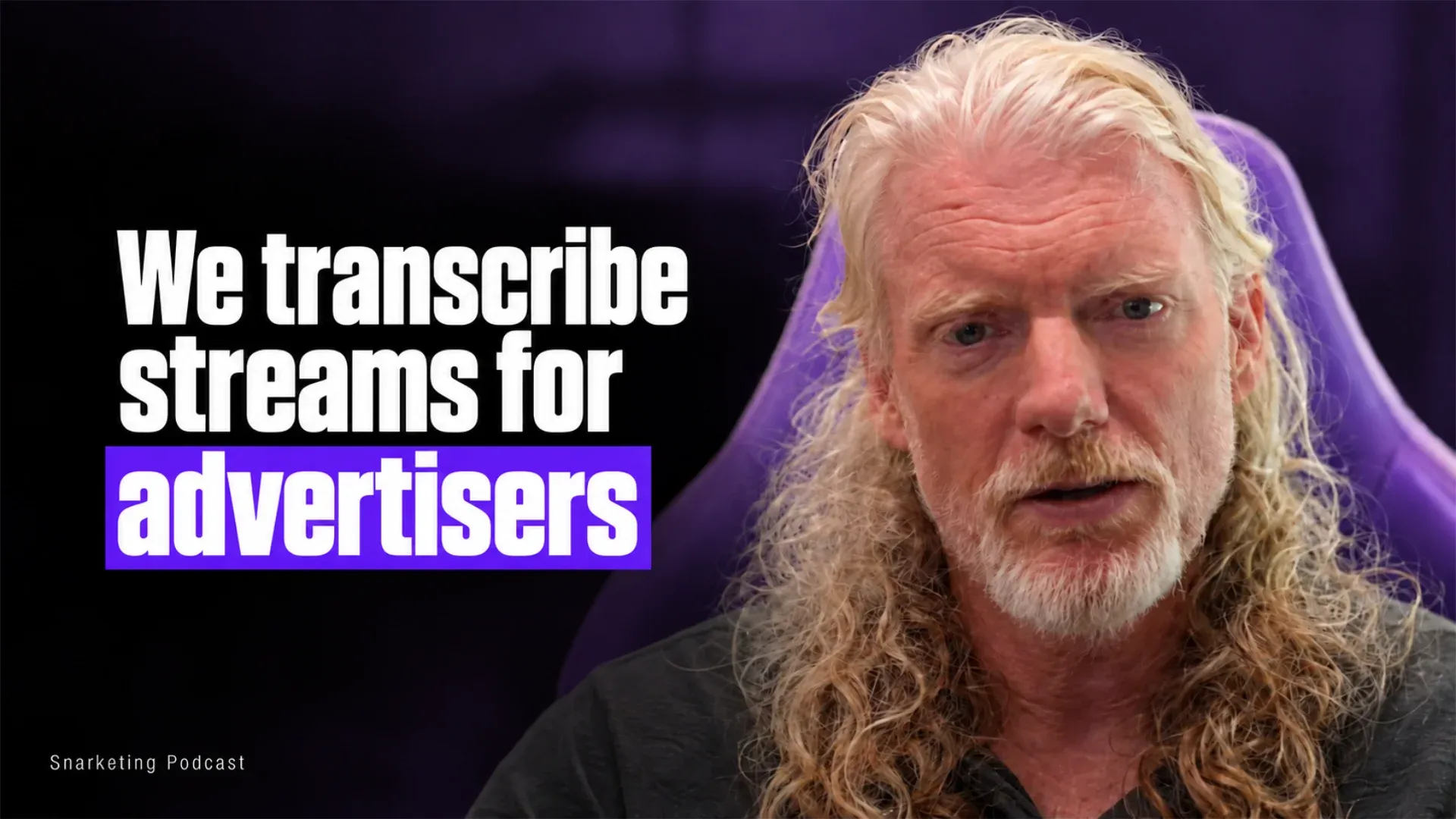
"And we also lately have been using AI to also identify streamers that may not match a brand. Because we transcribe streams to figure out 'Is this appropriate for this brand?' and then also to determine if something is happening that may not match a brand." - Dan Clancy
The reaction has been mostly negative, largely because of the lack of transparency. Several streamers have already linked this to unexplained drops in ad revenue they'd noticed previously.
What Twitch told Aftermath
Following the backlash, a Twitch representative explained the system to Aftermath (opens in a new tab) via email:
"Each advertiser sets its own preferences, so a channel can be a good fit for some campaigns and not others. The tools we're developing help us match ads to content more accurately, opening up more opportunities for advertisers to reach more channels, earning more for streamers. Previously, matching could be more conservative. Better accuracy allows us to change that." - Twitch spokesperson
That partly holds up. If the old system was playing it safe, a channel with one sensitive label might have missed out on every campaign, even ones that didn't actually care about that label.
The rep also noted that staff review flagged content "at multiple stages," and that any change to longer-term ad eligibility would be a human decision. However, Twitch hasn't said whether anyone checks the day-to-day matching that decides which campaigns run on your stream, what the AI is specifically looking for, or whether you can appeal.
It's also building a way to tell creators when advertiser preferences are affecting their ad revenue. Until that exists, you have no way of knowing.
Twitch has been heading this way since 2024
In November 2024, I covered streamers reporting ad revenue drops of 80-95%, which seemed to be tied to political tags. At the time, I predicted Twitch would need an automated way to classify streams, because self-applied tags give creators a reason not to tag accurately. Transcribing streams and checking them with AI is very close to what I had in mind.
What hasn't changed since 2024 is that creators can't see why their earnings moved. YouTube at least puts a yellow icon next to a video with limited ads. Twitch currently gives you nothing.
This appears to be separate from the Amazon AI training setting I covered in August, so unticking that box is unlikely to change anything here.
What This Actually Means for You
- If ads are a meaningful part of your income: check your ad revenue in your Analytics each month and note any sudden changes. Until Twitch tells you, your own records are the only way to spot a pattern.
- If you cover politics, LGBTQ+ topics or mature humor: keep your content classification labels accurate. They're still the first signal advertisers use, and Twitch's Advertiser-Friendly Content Guidelines (opens in a new tab) set out what's expected.
- If you've seen a drop you can't explain: contact Twitch Support with the dates, and ask directly whether advertiser matching is involved. Twitch has said publicly that it's building a way to tell you, so it's a fair question.
- If you're thinking long term: ad revenue is the income you have least control over on Twitch. Subs, Bits and direct sponsorships aren't decided by a transcript.
Pete's Content Corner
My weekly picks from across the content creation world.
- Twitch will soon test Auto Raid (opens in a new tab), which raids a channel from a list you choose if you end your stream without raiding manually. It's opt-in, and if nobody on your list is live it won't raid anyone.
- OBS Studio 33 is in beta (opens in a new tab), with a large browser source update, hotkeys for audio monitoring, better fullscreen game detection for Game Capture and support for newer NVIDIA Broadcast SDKs. Plugins now install to a new folder structure, so check your third-party plugins still load before relying on the beta for a stream.
- Discord is rolling out Game Mode (opens in a new tab) as an experiment on the Windows desktop app. When it detects a game running, it cuts animations and effects to reduce Discord's CPU and GPU usage, which should help if you stream and game from the same PC.
Thanks, as always, for taking the time to read Stream Report.
Pete ✌️